Year End Book List

Well I was going to talk about the absolute best twelve books that I read this year, anticipating having to narrow it down as I do every year. Then I started looking through my list, and um, maybe the challenge will be finding twelve?

Jeez. I refuse to believe that there weren’t 12 perfect-blow-me-out-of-the-water books that I could have read this past year, so I will accept that I apparently read a lot of perfectly pleasant, perfectly average novels that aren’t really worth recommending.

So here is my amended end-of-year list numbering 9 extremely good books.
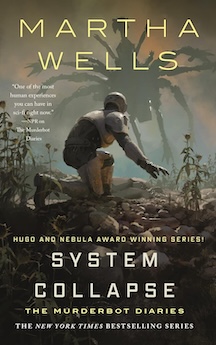
The book I expected to be a favorite read and was: Martha Wells’s System Collapse. New Murderbot! Though one of the things I loved most about this book was that it gave me an excuse to reread Network Effect which is still so far my favorite book in this series.
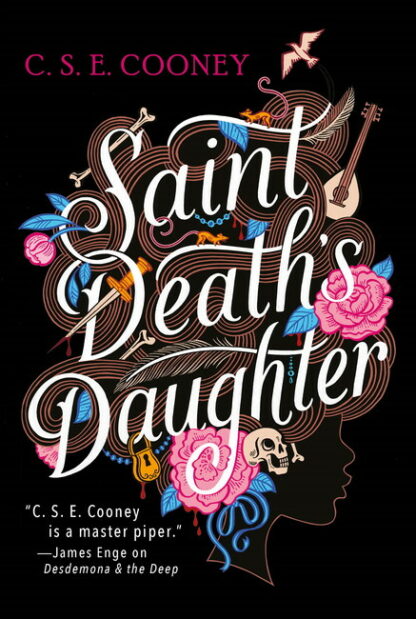
The amazing book I can’t believe I read this year because it seems like it was forever ago: Saint Death’s Daughter by CSE Cooney. This fantasy was exactly my cup of tea—wordy and weird and creative. I even have a note beside my documentation of it that this book suggests it’s going to be a great year for reading. Um. Sorry past me, you were wrong.

The new-to-me favorite author I discovered this year: Margaret Rogerson. Vespertine, Sorcery of Thorns, Mystery of Thorn Manor, and An Enchantment of Ravens. Vespertine is a fantasy novel about a would-be-nun who acquires a revenant, and ends up on the run, and also becoming a major figurehead in the war going on. It’s dark and delicious. Sorcery of Thorns is about a librarian who is learning to care for dangerous, living grimoires. After she is accused of freeing a dangerous grimoire that kills their leader, she is sent away. She distrusts sorcerers but gets involved with one, and together they figure out who is actually to blame for the grimoire’s release. The follow up, Mystery of Thorn Manor, was utterly unexpected and delightful, being a slice of domesticity between Elizabeth, the librarian, and Nathaniel, the sorcerer.
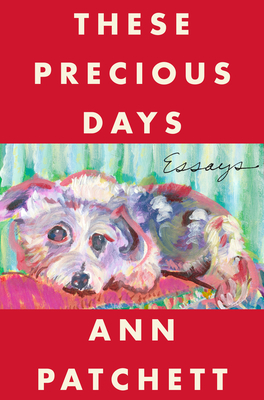
Favorite nonfiction read of the year goes to Ann Patchett’s These Precious Days, which despite a twee sort of title, was remarkably honest and interesting. A close runner up was the autobiographic memoir Starstuck by Sarafina El-Badry Nance about her struggles struggles to become an astrophysicist.
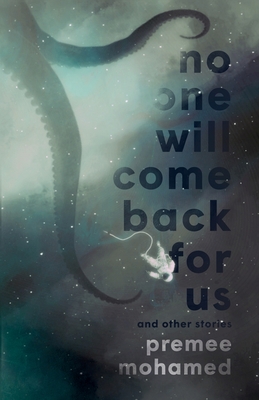
My favorite short story collection was No One Will Come Back for Us & Other Stories by Premee Mohamed. I really enjoy her writing. It’s often bleak, but it’s always very rooted in humanity—the good, the bad, the inevitable.
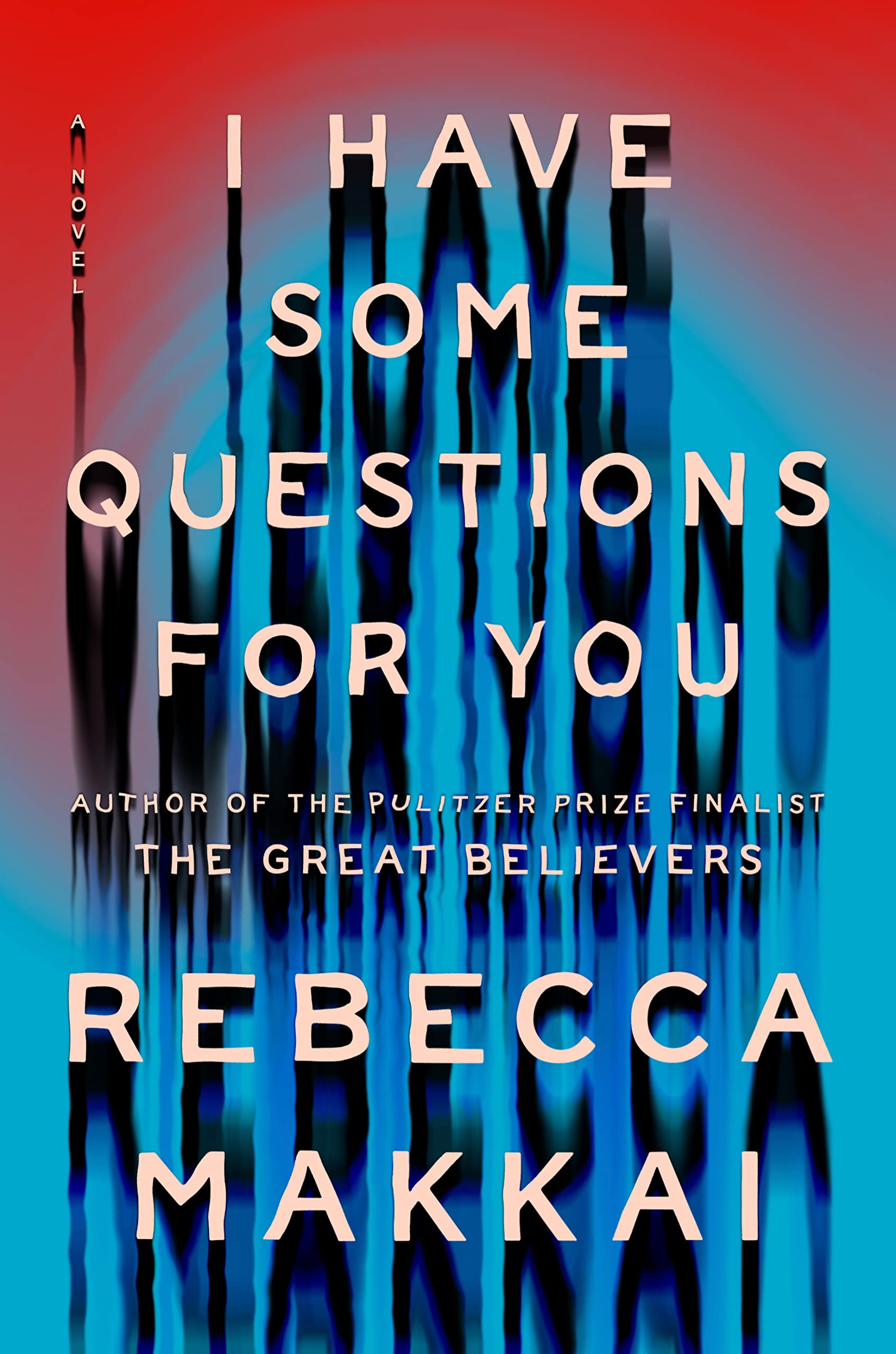
The book that surprised me with how much I loved it. Rebecca Makkai’s I Have Some Questions for You. I expected a fairly standard mystery novel where the intrepid heroine uncovers the truth about a past murder. I got something more meditative, more realistic, and very much a reflection of society.

My two favorite “so weird you have to read them” books are Edgar Cantero’s This Body’s Not Big Enough for Both of Us and Quan Barry’s We Ride Upon Sticks.
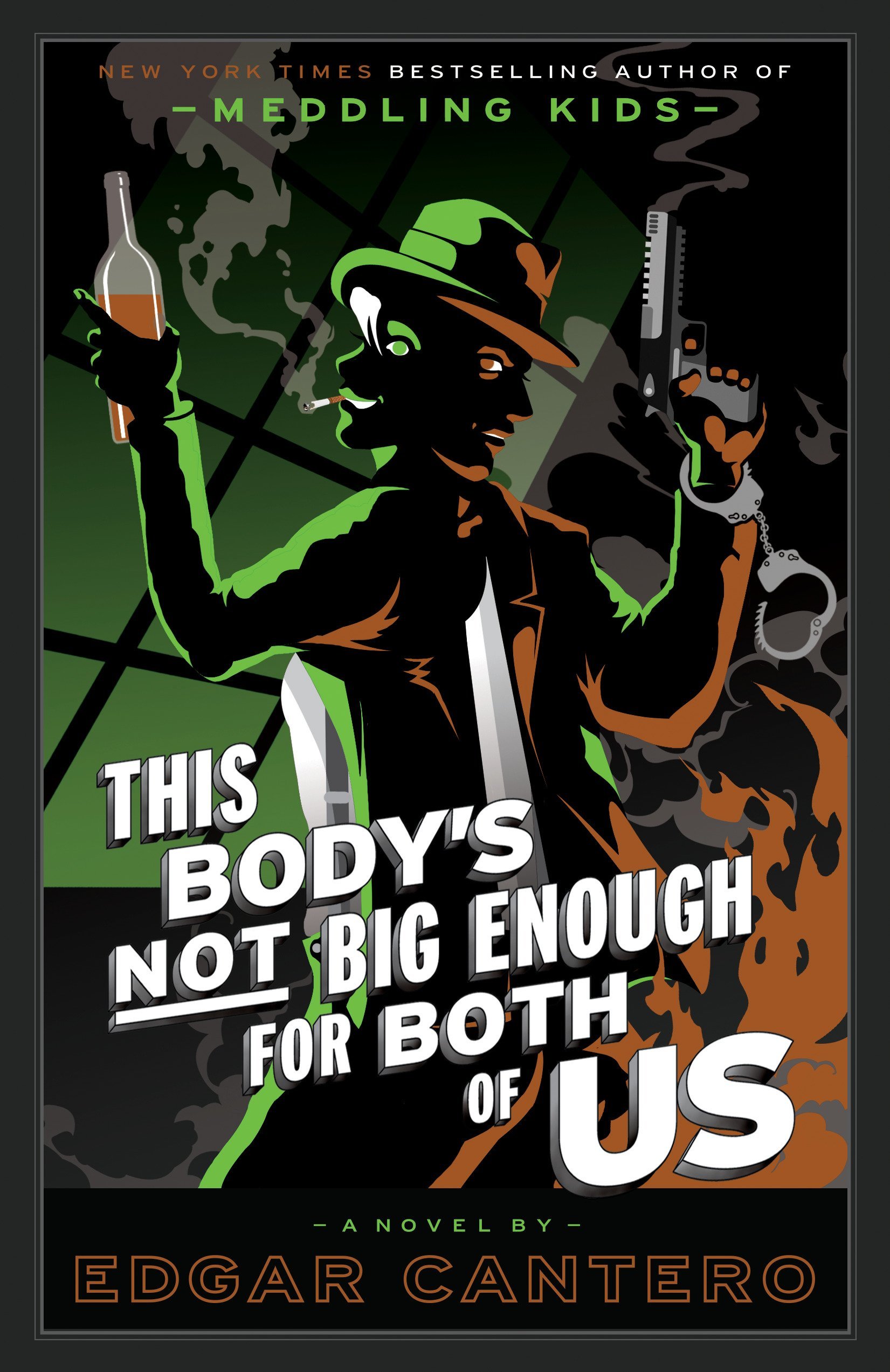
This Body’s Not Big Enough for Both of Us is about a noir-style PI who is two siblings in one. Over the top in style and in story. Great fun. We Ride Upon Sticks combines 1980’s girl’s field hockey and witchcraft, plus the unusual use of a narrator that is obviously one of the team, but never any particular one. It’s an interesting take on an omniscient narrator, and I loved it.

And here’s hoping for a better upcoming year where I will have to choose from a vast quantity of absolutely excellent books.
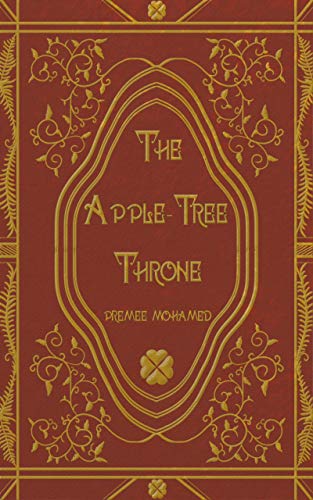
Book Review: The Apple-Tree Throne by Premee Mohamed

Short take: I loved this novella.

Longer take with some small spoilery bits: Despite a rough, muddled blurb and a weird self-deprecating note from the author where she calls her story “drivel*” I bought this ebook.  You have to love samples for that!  The novella was mentioned as a good one on twitter by an author I like and follow, so I figured it was worth sampling.  By the description of the funeral, I was sold.

This is a quiet, heartfelt story about a soldier returning from a war to an alternate Great Britain.  He’s shell-shocked, full of survivor’s guilt, and stymied rage.  As well as haunted by the ghost of his young, disgraced commanding officer who nearly got them all killed.

I do a lot of critiquing, and there are some things I’ve learned that are super hard to do well.  Or at all.  One of them is having a protagonist who is depressed to the point of numbness and apathy.  After all, I tell people over and over, if your character can’t manage to cope, how can we?  It’s hard to just watch a character endure personal suffering without the agency to end it.

Mohamed does this so well.  So amazingly well.  There’s never a doubt in my head that he’s shut down and not coping, just going with the flow because it’s so much easier than trying to express any of the jumble that is his head.  But at the same time, he is utterly compelling.  Why?  Because although his body and brain seem nearly separate from each other, we can see behind the heavy, smothering curtain of his grief and fear and rage to the incisive, observant brain beneath.  Because he has flickers when he’s nearly the man his friends remember him being.  And because Mohamed piles the small obstacles up and up until Braddock finds a scrap of his agency and uses it.

I love the characterization here.  Everyone rings true for this society.  We get such a wonderful look at Braddock, and an equally good one at his friends–a delightful married couple who are supportive and no-nonsense–and Wickersley’s ghost.  We see a lot of society characters, and they’re almost imaginary people–not because Mohamed doesn’t draw them well and distinctly, but because Braddock’s life and experiences are so far from theirs that they might as well be aliens.

There aren’t a lot of significant surprises here.  It’s fairly evident early on what Braddock’s relationship with Wickersley was, but that doesn’t mean watching the secrets unfold on the page isn’t satisfying.

One of the other things that I’m constantly telling people is “use the right details”.  The awesome Kij Johnson gave us (at the CSSF novel writer’s workshop) a speech about setting that changed the way I looked at writing.  Setting is about the character as much as it is about the world around them.  Different characters see different things, have a different perspective.  And that’s all in the details.  You can describe a room from top to bottom but if your character doesn’t care about wallpaper and furnishings, it’s not going to ring true.  Here, all the details that Braddock notices and conveys to the reader feel exactly like the type of thing he would notice.  It’s elegant.

The ending felt ambiguous to me, because this is one of those fantasy novellas that is light on the actual fantasy.  It’s an alternate England.  And there’s a single ghost that only Braddock sees.  And his friends, when hesitantly questioned on the matter of ghosts, are non-believers.  So it’s a fantasy world without magic.  Which then makes me wonder how real is the ghost and how much of it is Braddock’s mind turning against him.  But it’s a pleasant ambiguity, the kind you can argue over with your friends: is the top spinning still, or falling? Is Dom dreaming still, or waking?

All in all, a really enjoyable novella.

*(Jesus, people, don’t do that, it makes me SO ANGRY.  Seriously, the world is full of enough people who will LEAP to tell you that you suck at anything you do.  Why preemptively do it for them?  If you wrote something that you love, and you publish it, don’t undercut it!  More sputtered swearing follows.)